
By Jaimie Siegle | Advertising Systems Inc.
The term “AI” has been a marketing buzzword for several years now, but lately it seems to be everywhere you look—from Amazon’s shopping assistant Rufus and X.com’s Grok to the “AI Overview” in every Google search.
How is Generative Engine Marketing/GEO Different from Search Engine Marketing/SEO?
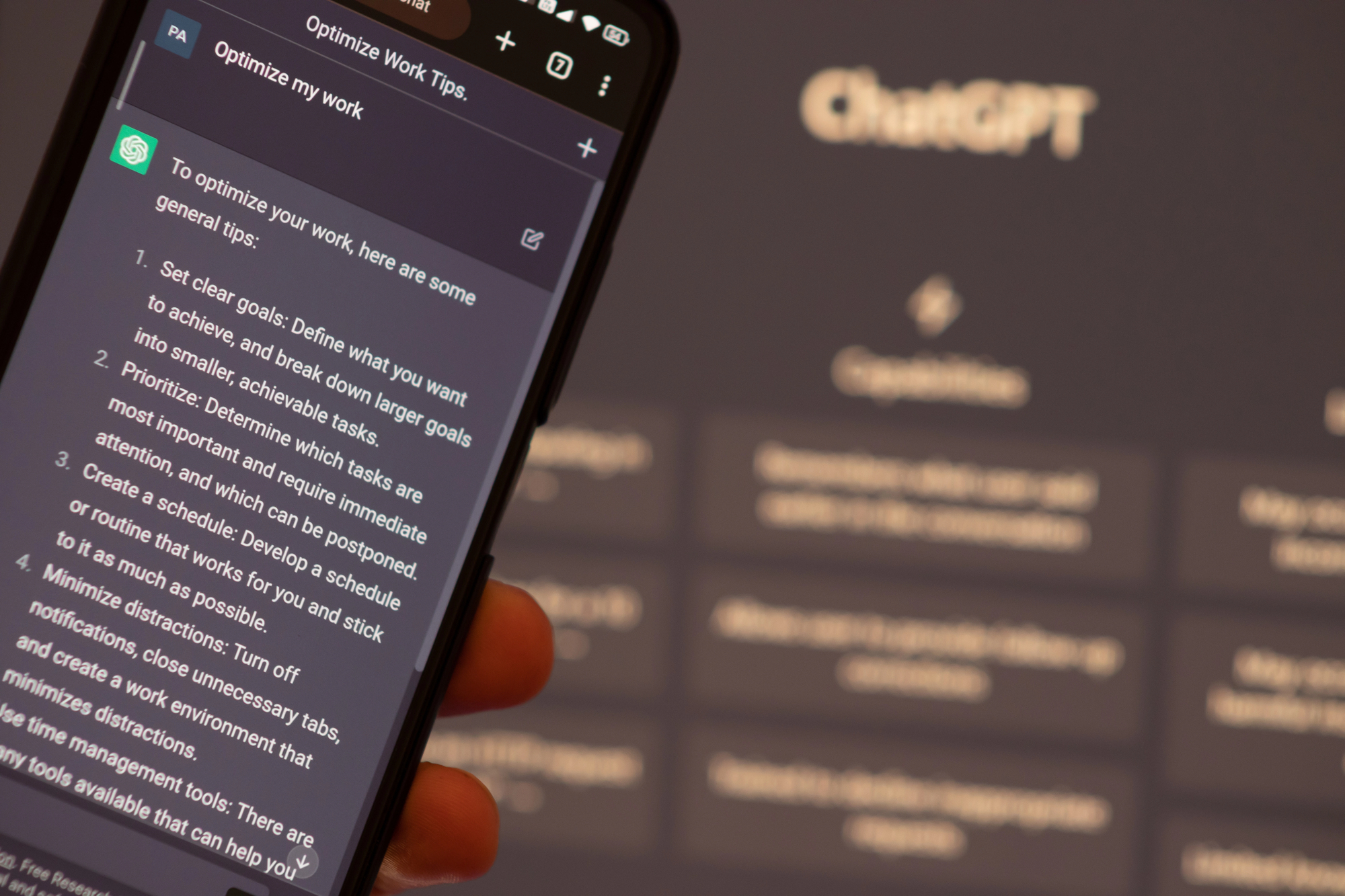
Generative engines utilize large language models (LLMs) and ChatGPT, Claude, Gemini, and Perplexity are quickly replacing search engines as the primary place for users to do research on products and services and may make their purchasing decisions based on the citations given by AI. This is a huge opportunity for business owners, with data reflecting a direct correlation between users’ AI conversations and customer conversions.
So how do you stay top-of-mind to ChatGPT (and the other generative engines), ensuring it cites your services to its users? Once again, it all comes down to content, but in various forms: blog posts, website copy, photos and videos, customer reviews, press mentions, and more.
How does AI Optimization (AIO) work?
As humans, we make decisions based on experience and context clues (hears thunder; decides to bring umbrella). AI models are trained in a similar way, arriving at a conclusion based upon all the information that exists on the internet.
Optimizing your online footprint (this includes your website, blog, social media, etc.) for LLMs visibility provides the contextual clues necessary for ChatGPT and other generative engines to register and recommend your brand as an authority figure in your industry.
The Bottom Line
No longer just a buzzword, AI is now a mainstay of the digital universe, so we might as well learn to speak its language.
